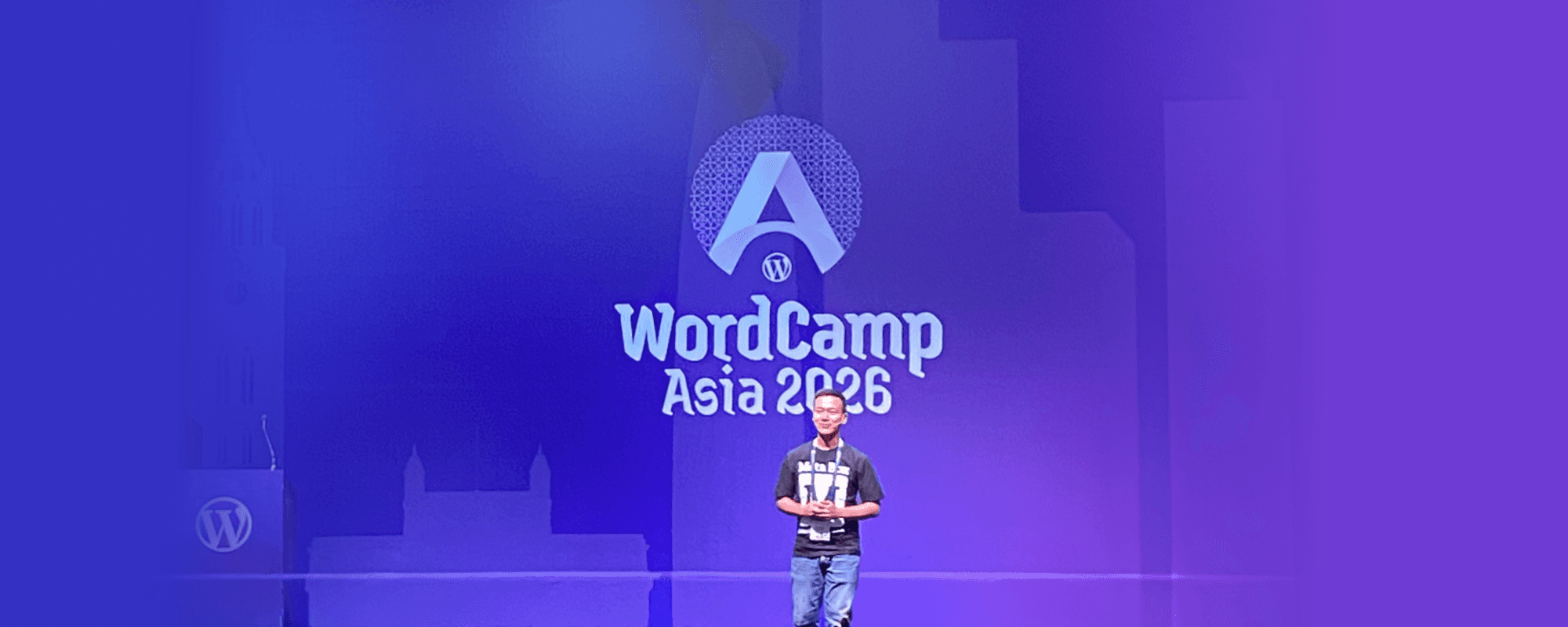
WordCamp Asia 2026: We Went for the Talks, Stayed for the Conversations
We pulled into the venue around 9 AM. The place was already buzzing. WordCamp Asia 2026 had drawn 3,000+ people from across the continent and we were nearly late for the opening remarks.
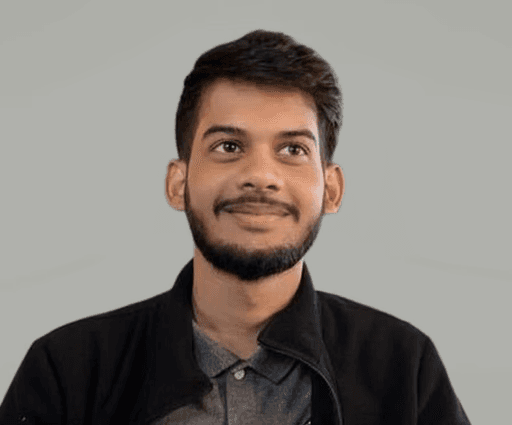
We (Wazid Shah and Nitesh Sawant) walked into the Jio World Convention Centre in Mumbai on a Thursday morning with a plan: sit through sessions, take notes, collect some business cards, and head back to Goa. A standard conference playbook.
Two days later we drove home and neither of us had looked at our notes once. The sessions were good. But the thing that actually changed how we think about our work at GrandWorks happened in hallways, over chai, and in conversations we never planned to have.
If you think WordCamps are only for WordPress developers, this post might change your mind.
Day 1 - 10th April
We pulled into the venue around 9 AM. The place was already buzzing. WordCamp Asia 2026 had drawn 3,000+ people from across the continent and we were nearly late for the opening remarks.
The first person we ended up talking to was a guy named Rahul. Not a developer. A journalist, covering tech across several newspaper agencies. He wanted to talk about how WordPress shapes online publishing and media workflows. We'd expected a room full of PHP people, and here was someone thinking about content at a completely different level. That five minute conversation recalibrated the rest of our trip. We stopped treating the event like a dev conference and started treating it like a place to understand how people think about the web.
WordPress Is Getting an AI Brain
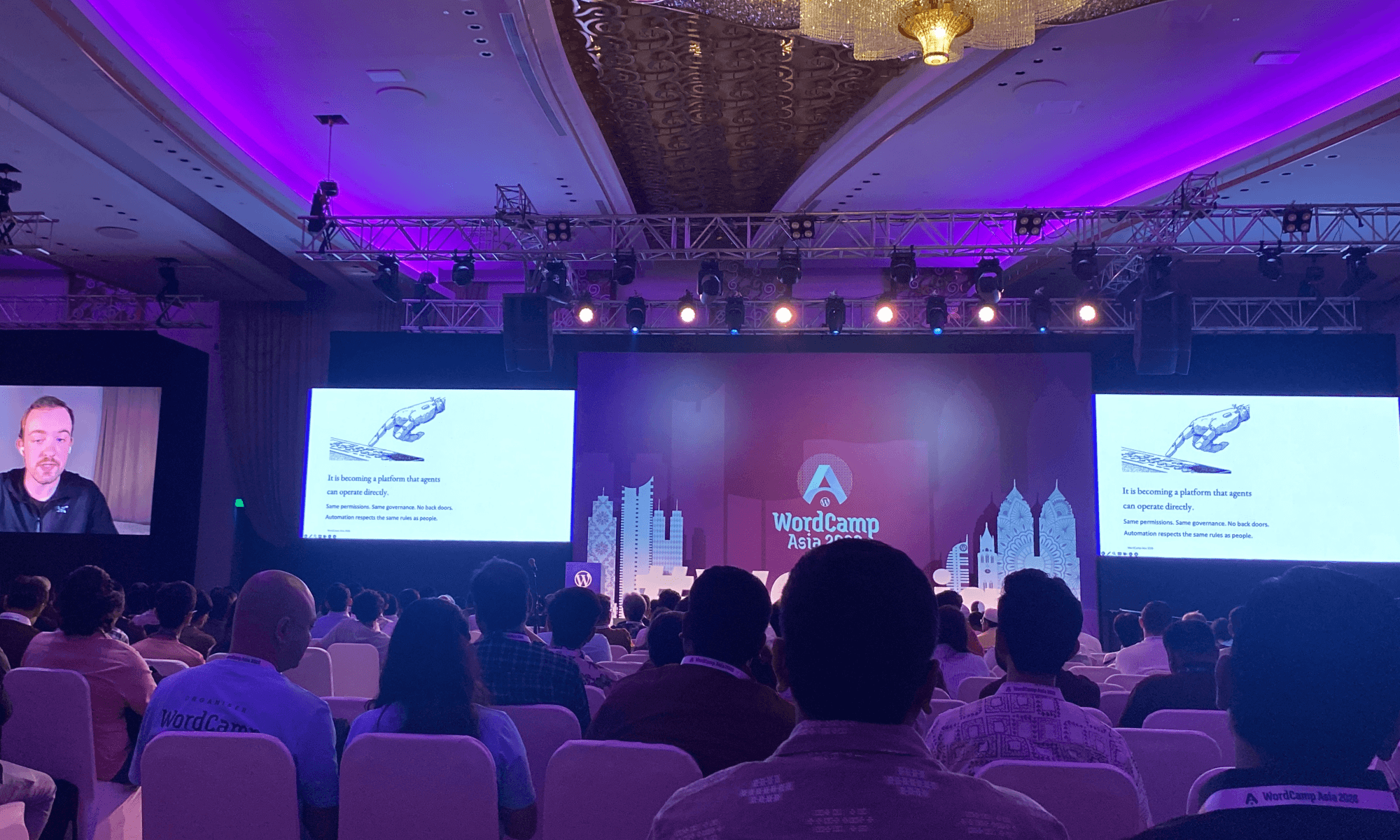
The session we were most curious about was James LePage on WordPress and AI. LePage heads AI at Automattic, so he's not speculating — he's building the thing.
The headline: WordPress 7.0 will ship with an AI client built directly into core. Not a plugin you install. Not a third party integration. Native AI, available to nearly a billion websites the moment they update.
We build WordPress sites and e-commerce platforms for clients every day. This changes the conversation completely. Right now, when a client asks about AI features, it usually means evaluating plugins, worrying about compatibility, and managing one more thing that can break. Core AI means we can focus on using it rather than stitching it together. We're already thinking about what this means for the WooCommerce stores and custom apps we build — smarter product recommendations, better search, content generation that actually lives inside the CMS.
When Custom Post Types Hit a Wall
Lukasz Wilczak's session on modern content architecture was the most immediately useful talk of the day.
Here's the problem he addressed: WordPress stores everything — posts, pages, products, custom types — in a single wp_posts table. For a blog or a small store, that's fine. But when you're building something complex — say, a logistics dashboard or a product catalog with thousands of SKUs and custom fields — that table becomes a bottleneck. Queries slow down. The admin gets sluggish. Things start breaking in ways that are hard to debug.
Custom Content Types (CCTs) solve this by using their own dedicated database tables. Lukasz walked through when to stick with CPTs and when to graduate to CCTs, with real benchmarks.
We've hit this exact wall on client projects. One e-commerce build we did had so many product variations and custom fields that the wp_posts table was groaning under the weight. Knowing the CCT approach exists — and when it makes sense — would have saved us a week of performance tuning. This is the kind of session that pays for the entire trip.
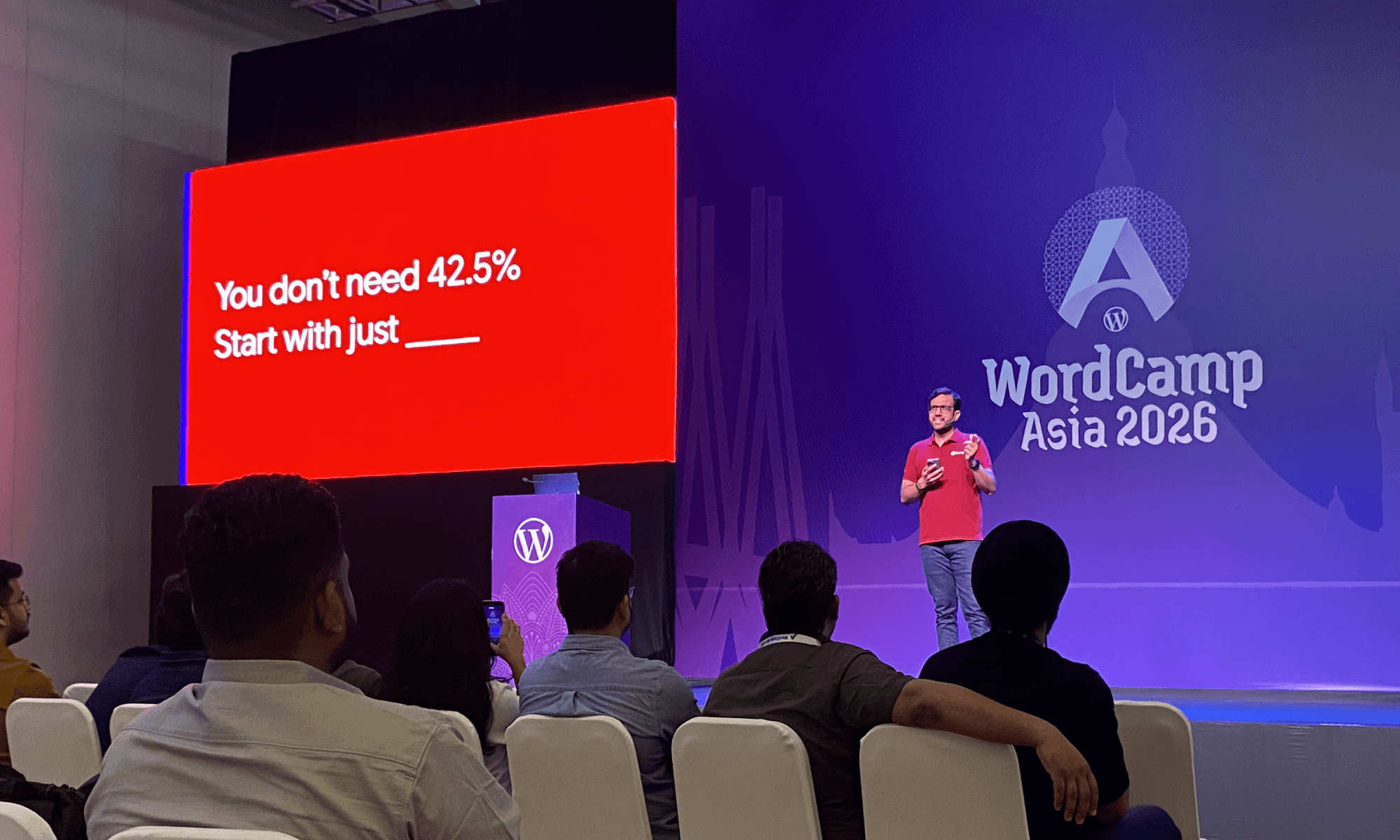
The 15-Minute Talk We Keep Coming Back To
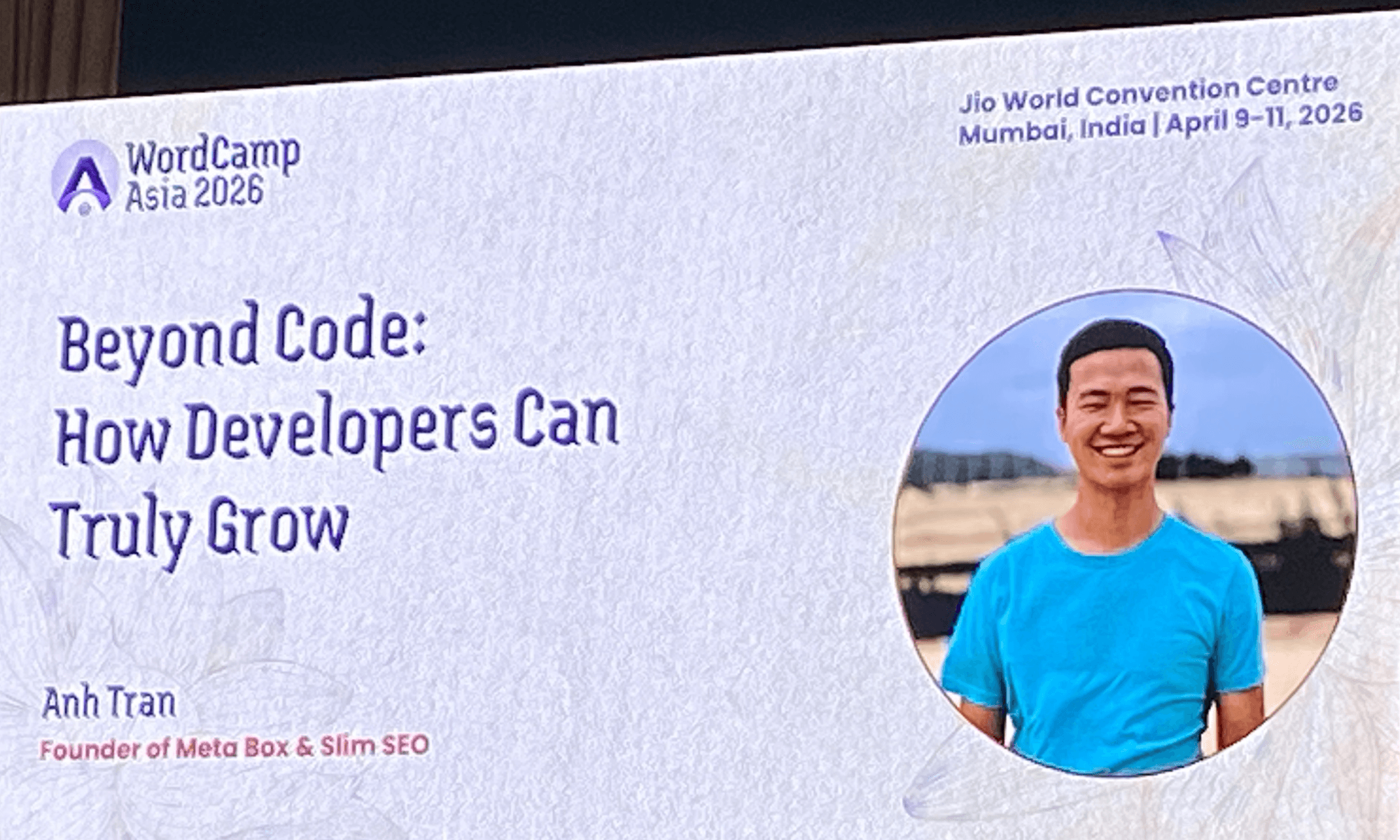
Anh Tran's session was called "Beyond Code: How Developers Can Grow." It was one of the shortest talks on the schedule. Also the one that's stuck with us the most.
Anh built Meta Box — one of WordPress's most popular custom fields plugins — as a solo developer. Then he turned it into a company. His point was uncomfortable and simple: being a good developer is not a business strategy. You can write beautiful code and still fail to build a product anyone pays for. The gap between "I can build this" and "people will buy this" is enormous, and most developers never cross it.
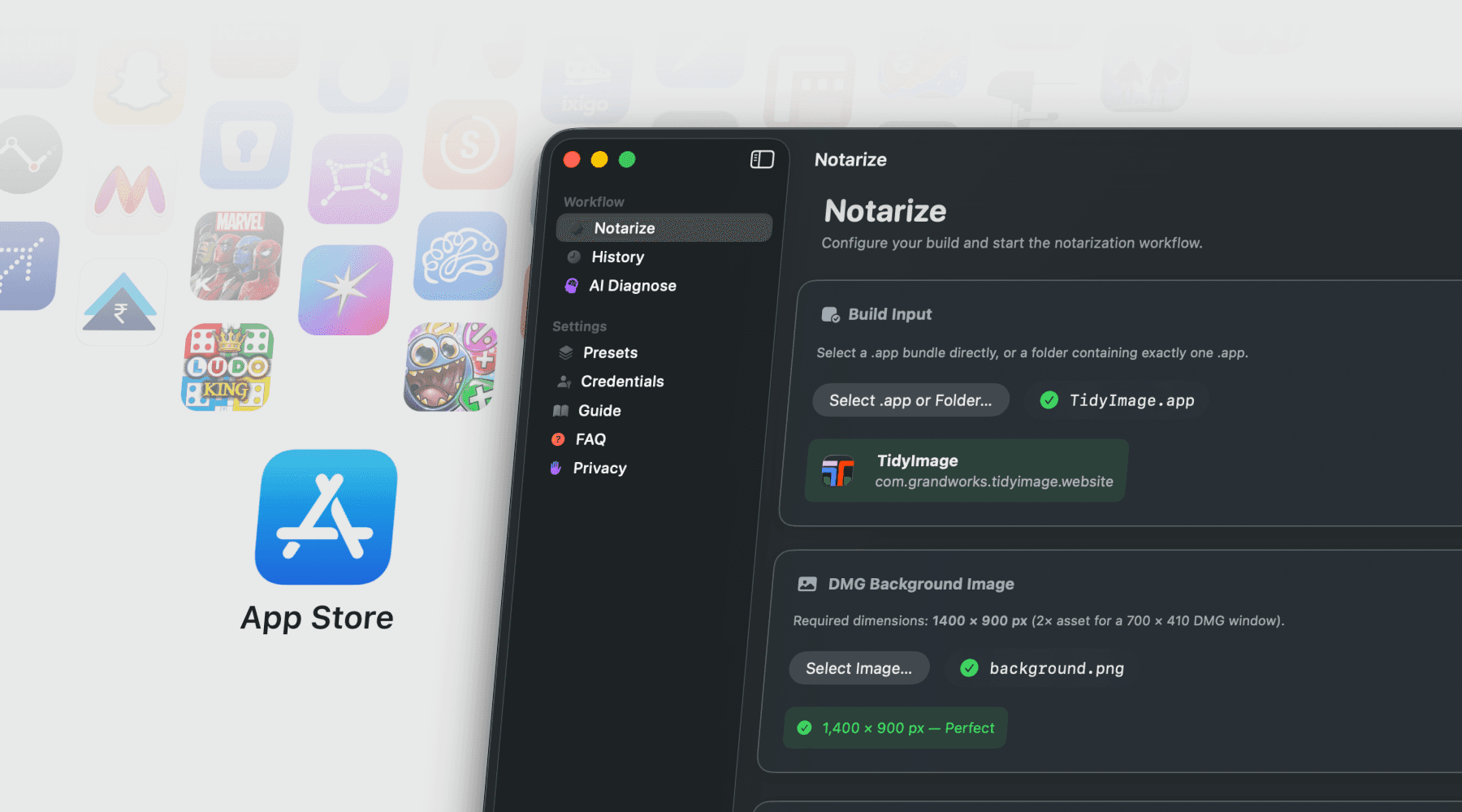
After the talk we got a few minutes with him. We asked him about the transition from freelance dev to product founder. He was honest about how hard it was — learning to sell, learning to market, learning to say no to custom work so he could focus on the product. For us at GrandWorks, this hit close. We've been building Tidy Image, our own image compression tool, alongside our client work. Hearing someone who'd already walked that path talk about the messy middle was exactly what we needed.
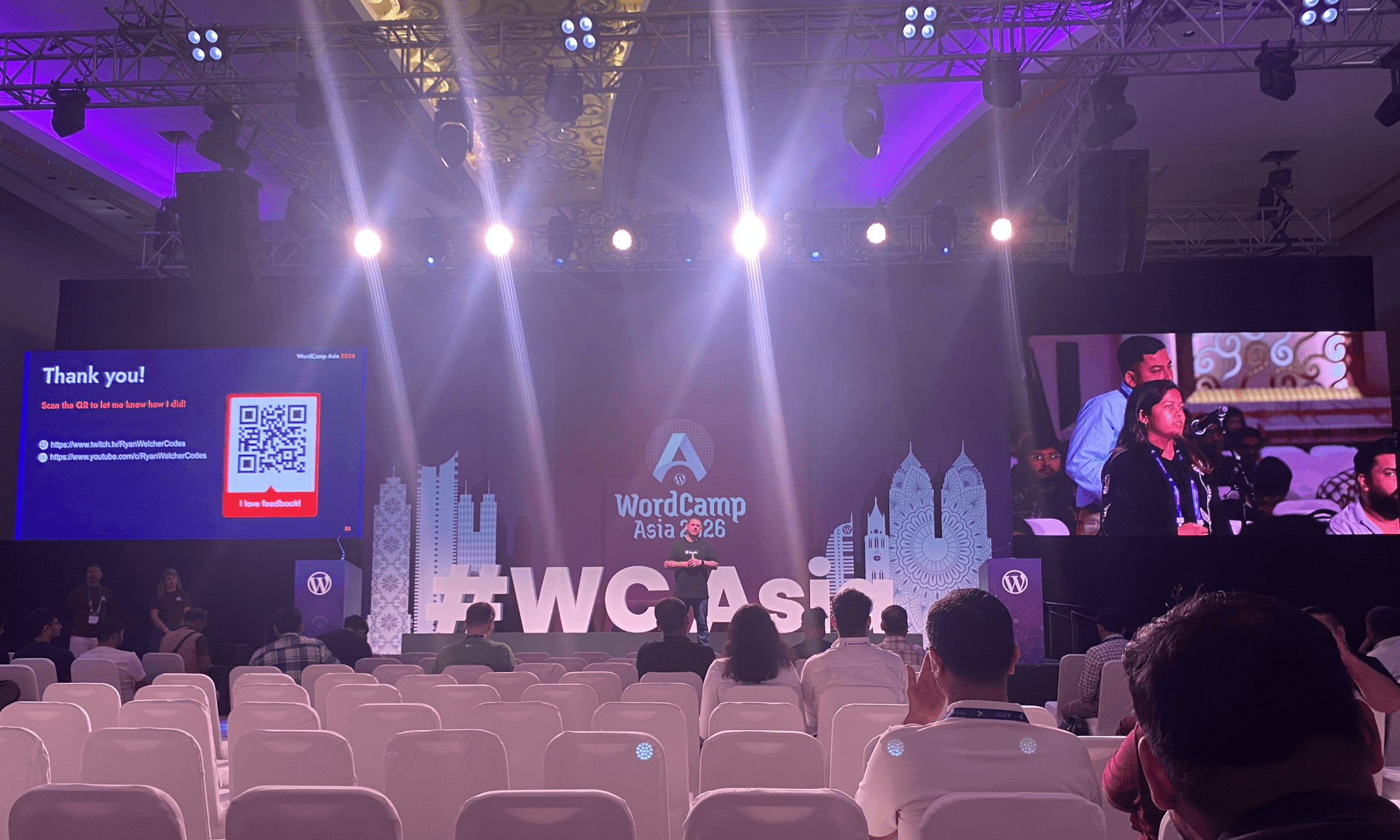
How rtCamp Went From Small Agency to Enterprise
Rahul Bansal, CEO of rtCamp, gave a talk on building an enterprise WordPress agency. rtCamp works with some of the biggest names in publishing and tech, and they started exactly where most agencies start — small team, WordPress projects, trying to figure out pricing.
What made Rahul's talk useful was that he didn't skip the uncomfortable parts. He talked about losing clients, about projects that went wrong, about the decisions that felt risky at the time and turned out to be right. As a design and development agency ourselves, we know how easy it is to get stuck in the "we'll take any project" phase. Hearing how rtCamp got past that, and what they gave up to do it, was the most directly relevant business advice we got all weekend.
After the Sessions: Where the Real Stuff Happened
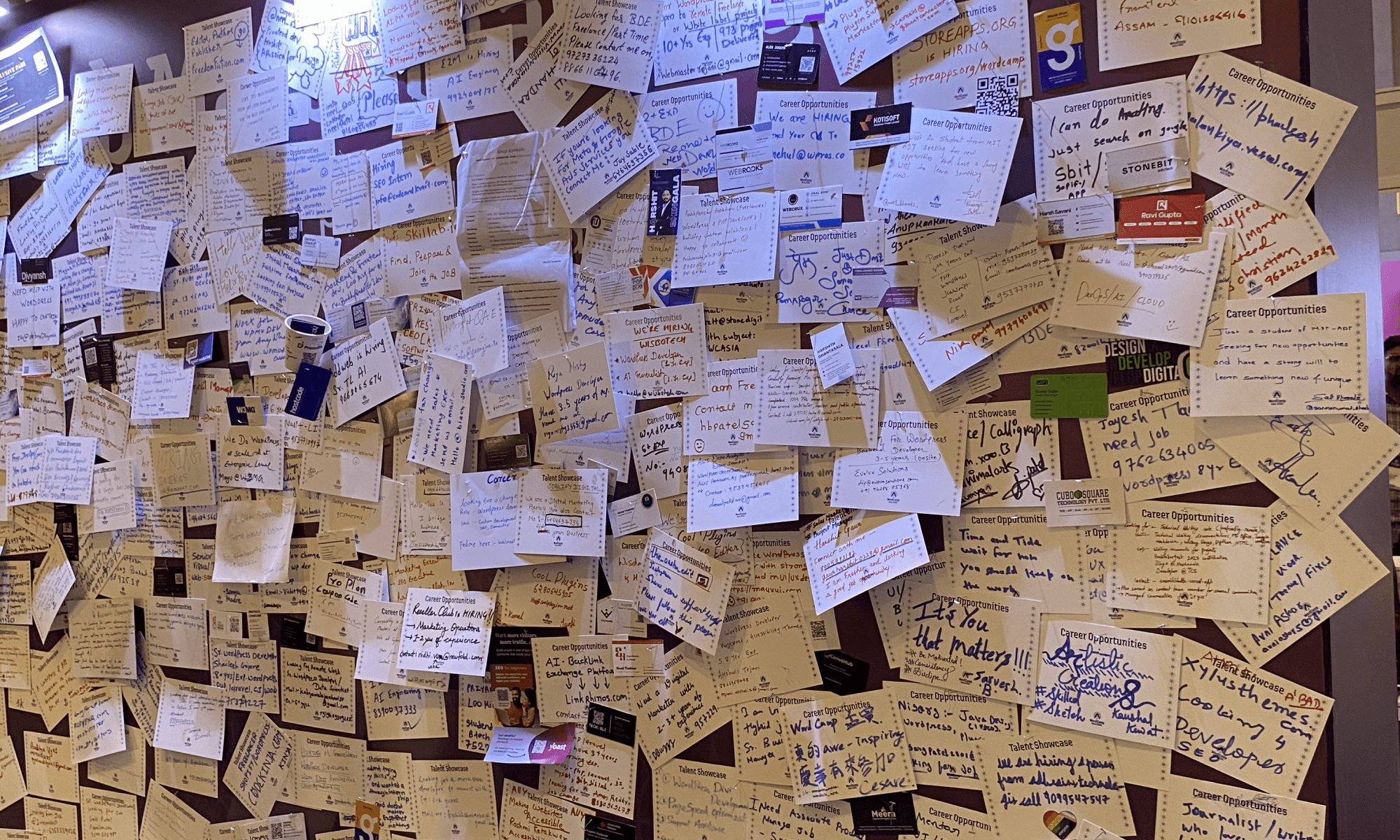
Once the talks ended, we did something we don't do enough: we just talked to people for hours.
The conversation that stands out most was with George Jeng, WooCommerce's Product Manager. We've built enough WooCommerce stores to have opinions about checkout UX, and we didn't hold back. The default WooCommerce checkout flow hasn't changed meaningfully in years. It's functional, but it doesn't feel modern. We talked about where friction lives — too many form fields, poor mobile layout, the jarring redirect between cart and checkout. George actually engaged with the specifics, asked follow up questions, and didn't just nod politely. That alone was worth the trip.
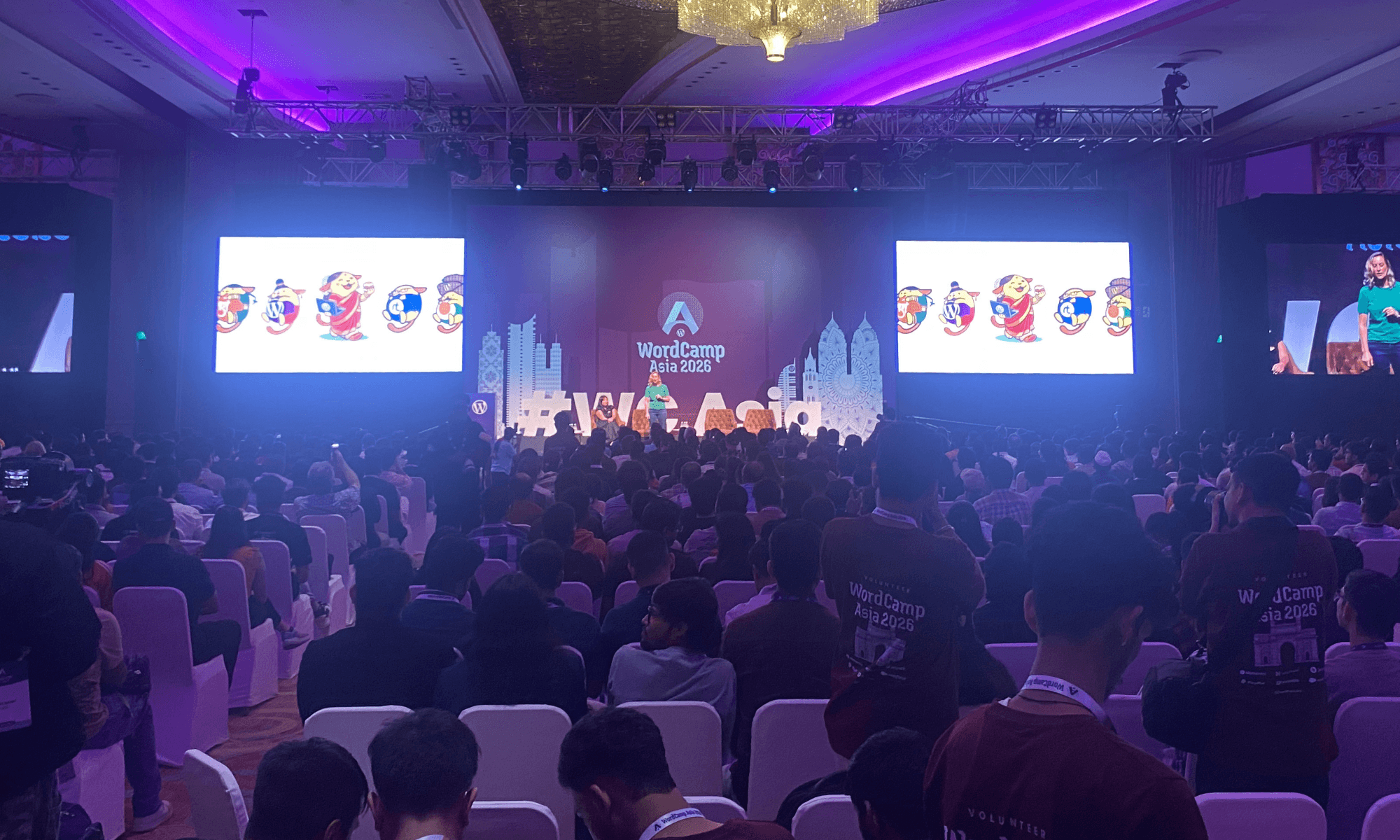
We also found ourselves pitching Tidy Image to anyone who'd listen. Not in a salesy way — more like "here's what we're building, does this solve a problem you actually have?" The answers were blunt. A developer from Kinsta told us his clients' biggest image pain wasn't compression, it was that they didn't think about image sizes at all until their Core Web Vitals tanked. A designer from Automattic said she wanted something that worked inside the WordPress media library, not as a separate tool. These weren't the kind of insights you get from a feedback form.
We also spent time with teams from Pressable, Hostinger, and several independent plugin shops. Everyone was open about what was working and what wasn't. It's a strange thing — in most industries, competitors don't really talk to each other. In WordPress, they do. And yes, we collected enough sponsor booth goodies to fill a suitcase.
Day 2 — 11th April
We looked at the Day 2 schedule over breakfast and made a decision that surprised even us: skip everything.
Not because the sessions weren't good. But because Day 1 taught us that our most useful hours were the unstructured ones. So we spent all of Day 2 in the hallway track.
The conversations went deeper this time. People weren't rushing between talks anymore. A developer from Dhaka told us about pivoting his freelance career into a product company and how he spent six months building something nobody wanted before he learned to talk to users first. A marketing lead from a European hosting company explained how she evaluates agencies — what makes her trust one enough to refer clients. (Short version: case studies with real numbers, not just pretty screenshots. We took note.)
We kept showing Tidy Image to people, and the reactions kept surprising us. Someone asked whether we'd considered targeting agencies who manage dozens of sites, not just individual site owners. Another person pointed out that our compression approach might cause issues with a specific type of retina display rendering — something we'd never tested for. That one conversation probably saved us a bug report from a real user three months from now.
By the end of Day 2, walking up to a stranger and starting a conversation felt normal. That wasn't where either of us started. Wazid is naturally more outgoing; Nitesh usually hangs back. By Friday evening, both of us were initiating conversations without thinking about it. That shift matters more than any technical takeaway.
What We're Taking Back to the Studio
WordCamp Asia rearranged a few things in how we think about our work at GrandWorks.
On building products: Anh Tran and the Tidy Image feedback loops confirmed something we'd been circling around — you can't build a product in isolation. We need to talk to users more, earlier, and more honestly. The best feedback we got all week came from people with no stake in being polite.
On WordPress development: The AI-in-core announcement changes our roadmap for client projects. We're already mapping out how native AI could improve the e-commerce experiences and mobile apps we build. And the CCT architecture session gave us a new tool for the complex builds that used to keep us up at night.
On running an agency: Rahul Bansal's talk and the dozens of conversations we had with other agency founders gave us a clearer picture of where we want GrandWorks to go. Not just taking projects, but choosing the ones that push us forward.
On community: The WordPress community is one of the few places in tech where a journalist, a yoga school founder, a logistics startup CEO from Norway, and two developers from Goa can all stand in the same circle and have a useful conversation. Nobody gatekeeps. Nobody asks for your credentials. That's rare, and it matters.
We'll be at the next one. And honestly, we might skip Day 1 sessions too.
Wazid Shah and Nitesh Sawant are part of the team at GrandWorks, a design and development agency based in Goa, India that builds mobile apps, e-commerce platforms, and digital products for brands worldwide.
Head of Digital Commerce
Head of Backend Engineering
Let’s explore how we can bring your ideas to life.
See how we’ve transformed ideas into success stories