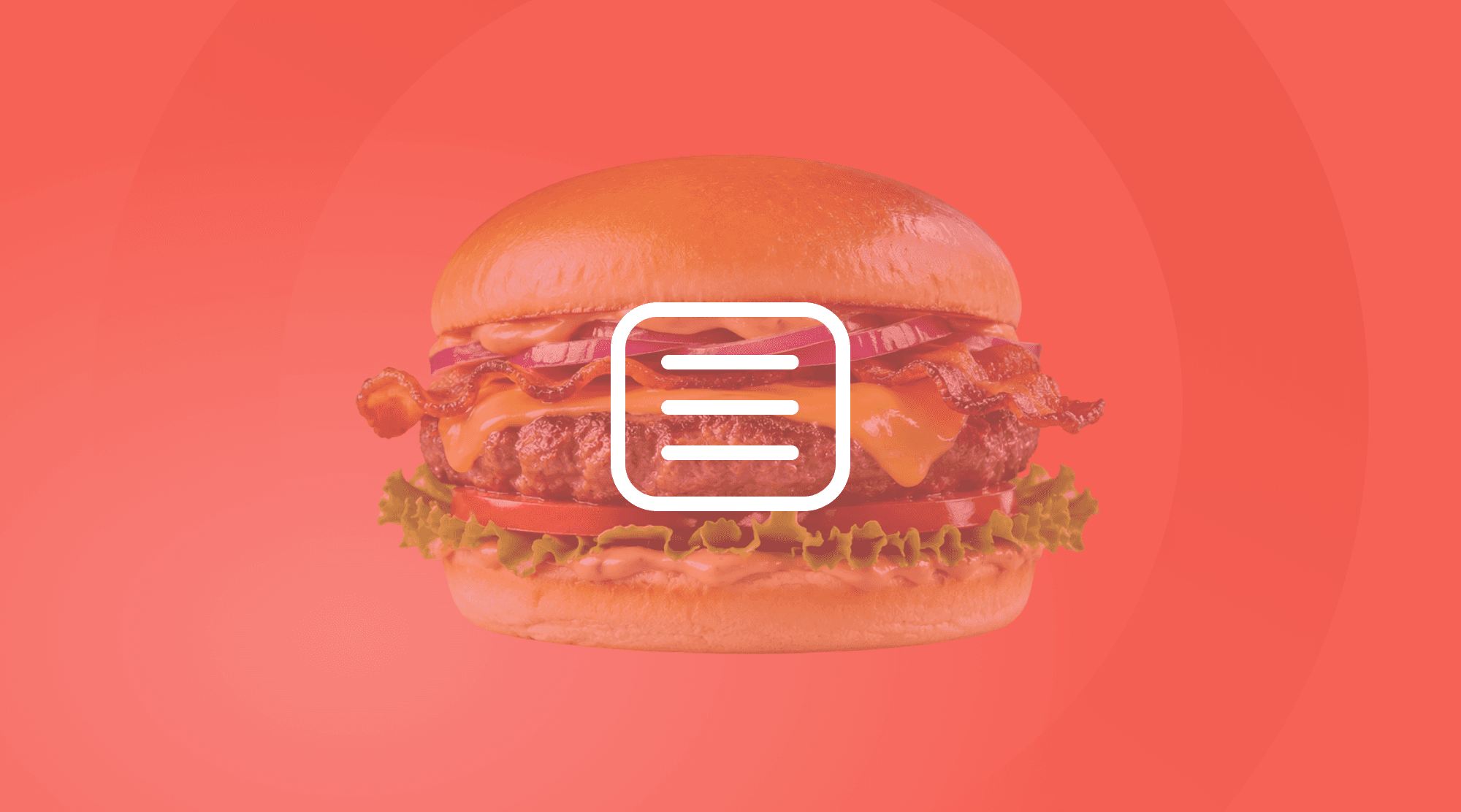
The Hamburger Dilemma
Smartphones brought it back. Once screens shrank to the size of a palm, designers needed a way to clear the clutter, and the hamburger was the obvious answer. It spread from websites to apps to desktop software, and even into games.
It was never without critics, and the complaint is always the same: out of sight, out of mind. Tuck your navigation behind an icon and people tap it less. Hidden navigation gets fewer taps than visible navigation, and that has been the knock against the pattern since mobile took off. Whatever you put in there becomes secondary, whether you meant it to or not. So the real question isn't whether the hamburger is good or bad. It's what you want people to do. If a section matters, don't bury it.
This is part of why so many apps moved their main navigation to a bottom tab bar, where the key destinations stay visible and a thumb can reach them. The hamburger didn't die. It got demoted to where it belongs: the drawer for things people need now and then, not all the time.
When you do want more options visible without a full bar, the sausage link is worth a look. It's a horizontal scrolling row of items. The trick is to let the last visible one fade off the edge of the screen, so people can tell there's more to swipe to. Small detail, big difference in whether anyone actually scrolls.

Team
Let’s explore how we can bring your ideas to life.
See how we’ve transformed ideas into success stories