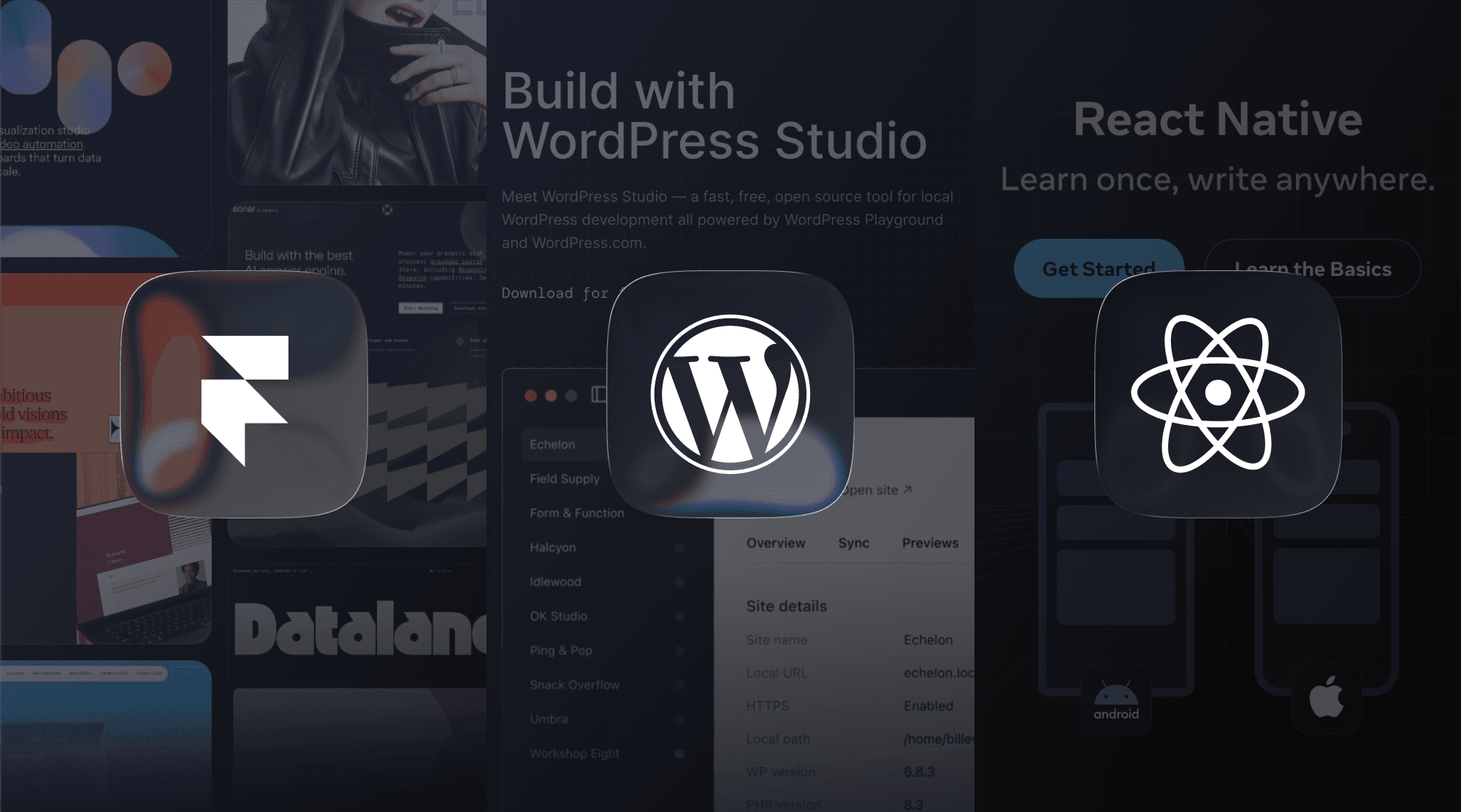
How We Choose a Stack: Framer, WordPress, or React Native
Framer, when the website is the product
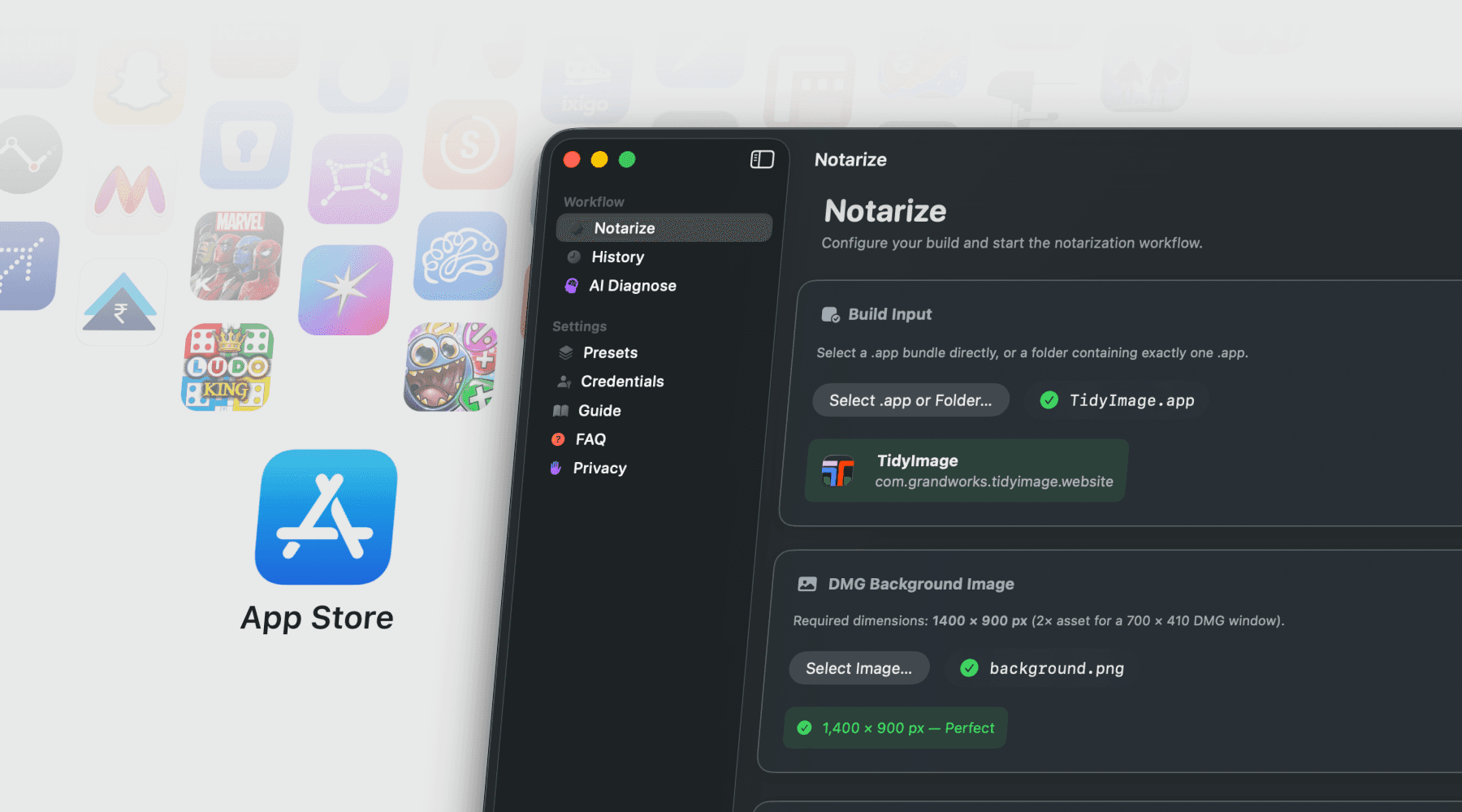
We reach for Framer when a company needs a marketing site or landing pages that look sharp and ship fast, and the content doesn't change ten times a day. It's design-led, the output is genuinely good on mobile, and a small team can keep it updated without a developer on call. The trade-off is that it's built for sites, not for running a shop or a complex web app. If the brief is 'we need a site that makes us look serious and goes live in weeks, not months', Framer usually wins.
WordPress, when content and commerce run the show
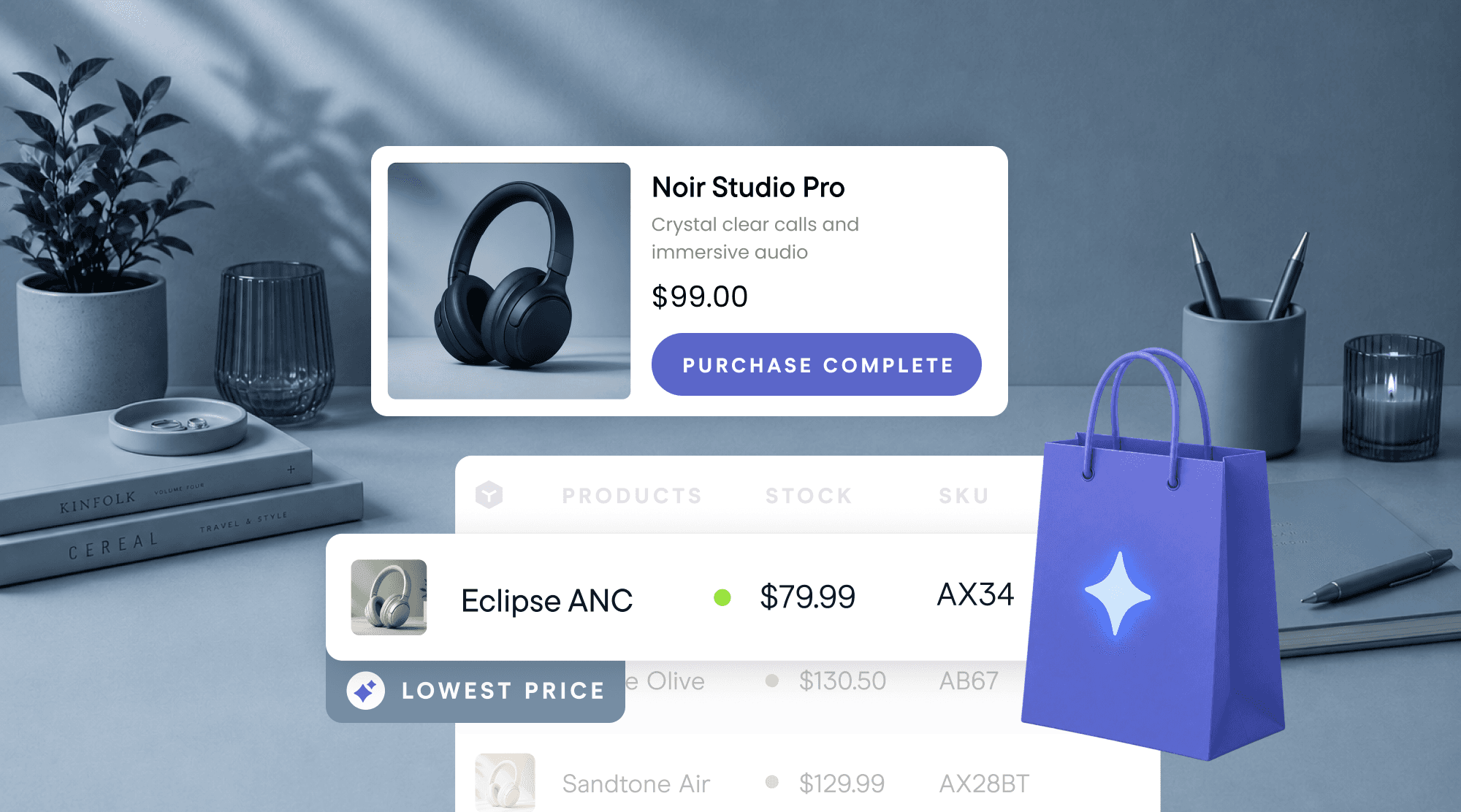
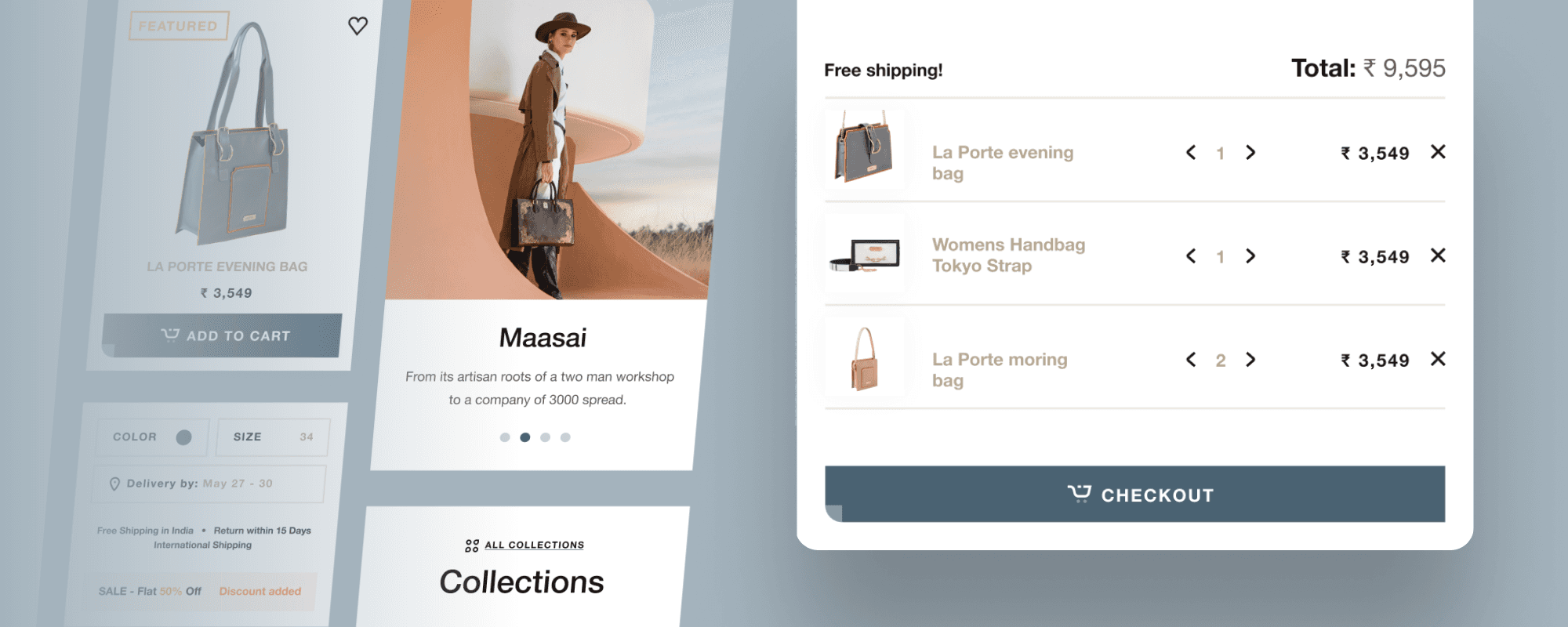
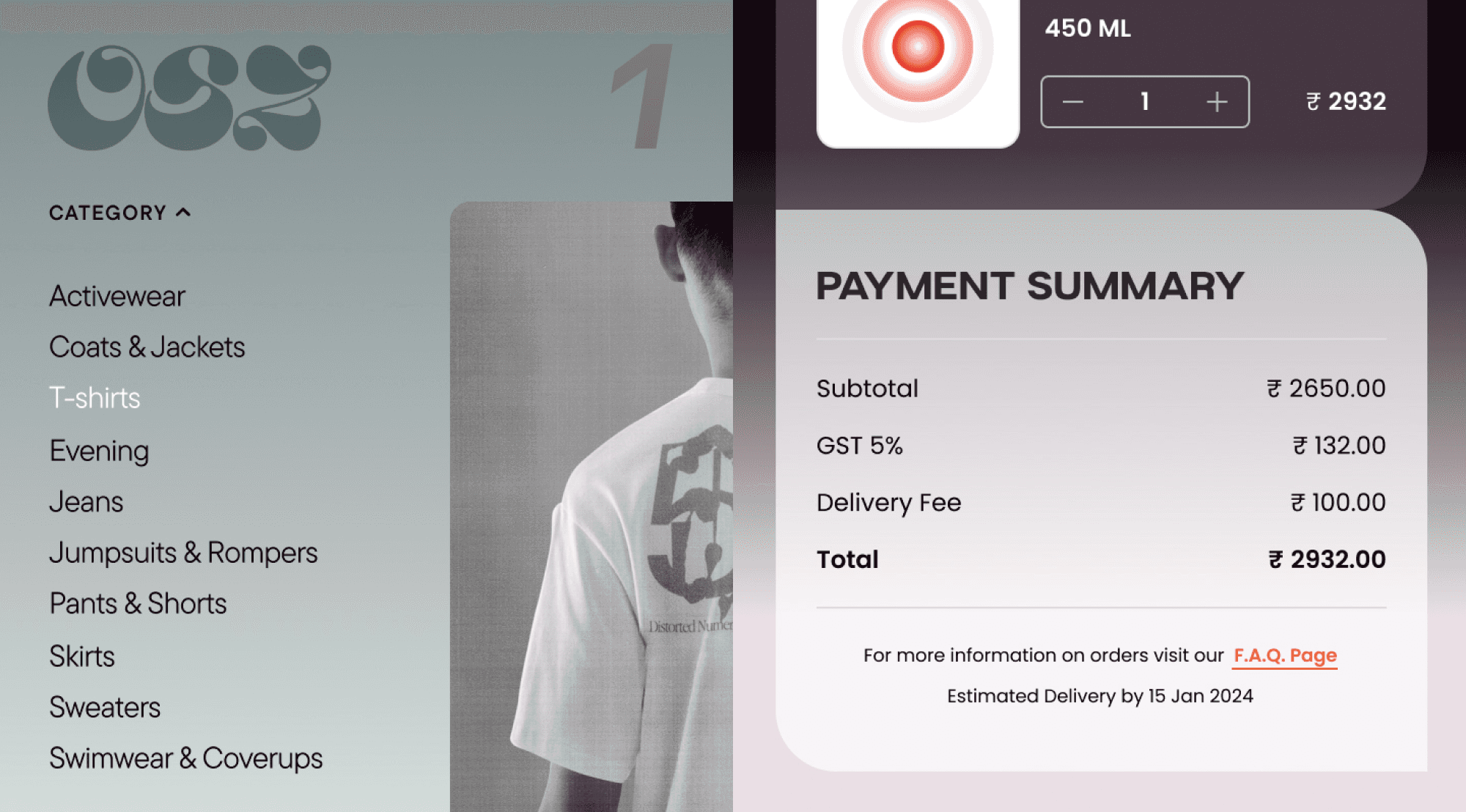
When a client needs to publish a lot, or sell, WordPress earns its place. It's the workhorse behind a huge share of the web for a reason. With WooCommerce it runs a real store, the editorial team can manage everything themselves, and there's a plugin or a custom block for almost anything. We've built editorial sites and shops on it where the client posts daily and never needs to call us. The catch is that WordPress rewards being looked after: hosting, updates and security aren't optional. Treat it well and it lasts for years.
React Native, when it needs to be an app
If the thing belongs on a phone's home screen, with push notifications, offline use, the camera, or anything the browser handles badly, that's React Native territory. One codebase covers iOS and Android, which keeps cost and timelines sane for most products. We usually pair it with a backend like Supabase so the app has somewhere to keep data and handle accounts. It's not the tool for a brochure site, and a heavy, native-feeling app sometimes still wants real native code. But for most mobile products a small team wants to ship and maintain, it's the sensible default.
How the decision actually goes
We don't start from the tech. We start from what you're building, who maintains it, how often it changes, and how fast it needs to ship. The stack falls out of those answers. A restaurant that wants a good-looking one-page site and a loyalty app might get Framer and React Native, not one compromise that does both badly. The wrong question is 'should we use X'. The right one is 'what are we actually making, and who looks after it once we're gone'. Answer that and the stack is usually obvious.
If you're stuck on this for your own project, tell us what you're building and we'll tell you what we'd reach for.

Team
Let’s explore how we can bring your ideas to life.
See how we’ve transformed ideas into success stories